
Growth Strategy
Teams work smarter when the system around them is clear
Streamlining workflows, making roles and ownership explicit, and building the habits that let an organisation keep growing without seizing up.
Triggers
The situations that lead here
Almost nobody asks for a growth strategy. They arrive with one of these, and the cause is usually the same.
- The company grew and the way it works did not grow with it
- Nobody can say who owns a decision, so it keeps coming back
- Capable people are busy and the roadmap still slips
- Two teams solve the same problem twice without noticing
- Everything routes through one or two people
- Good engineers are leaving and the exit interviews all rhyme
- Meetings have multiplied and decisions have not
- Managers were promoted for building well and never taught to lead
Scope
What the work covers
Organisational work that stays connected to delivery, rather than a process redesign handed over as a document.
-
Workflows that fit the work
How work is proposed, decided, built and released. Most delivery pain is queueing and handover, not effort, and that is visible once you draw the actual path a change takes.
-
Roles and decision rights
Who owns what, and who decides when there is disagreement. Written down, because ambiguity here is the most expensive kind and the hardest to see from inside.
-
Mentoring for leaders
Working directly with executives and engineering leads on the calls they are actually facing. Coaching in context beats training in the abstract.
-
Workshops that end in a decision
Scoped to one open question, run to a conclusion, and written up. A workshop that produces goodwill and no decision has cost you a day.
-
Visible delivery
Making work in progress and risk visible early enough to act on. Reporting that surfaces problems rather than confirming plans.
-
Habits that hold
The routines that keep the change in place after the engagement ends: retrospectives that change something, planning that reflects capacity, reviews that catch things.
The argument
Speed is a property of the system, not of the people
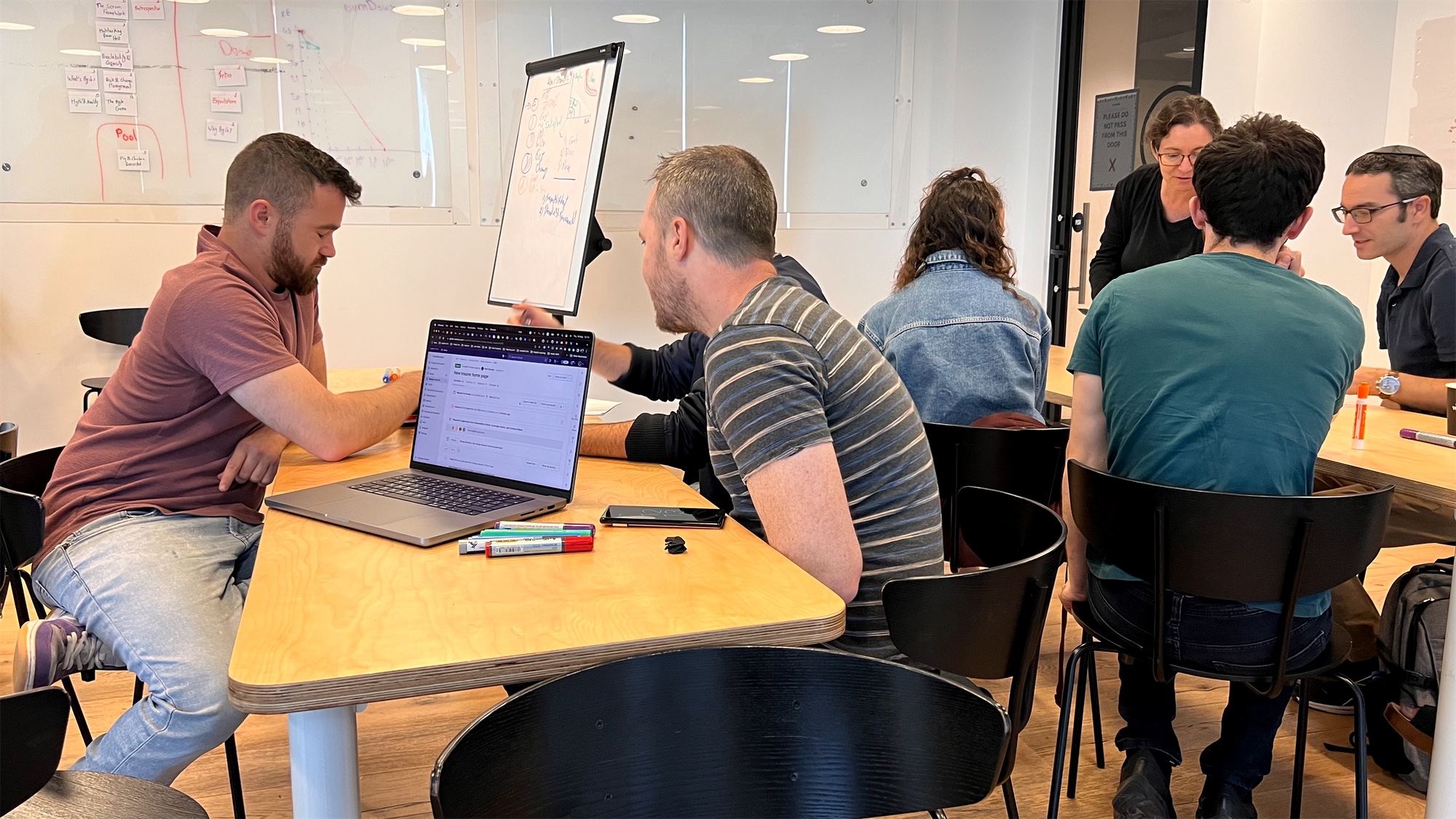
When delivery slows, the instinct is to look at effort. It is almost never effort. Teams that miss commitments are usually working hard on work that queued for three weeks before they saw it, or that has been reworked twice because the decision behind it was never really made.
That is why hiring more people so often fails to help, and sometimes makes it worse. A system that produces ambiguity produces more of it when you add people to it.
So the work is on the system: where decisions happen, how work moves, what is visible and to whom. The team you already have is usually capable of considerably more than the system is letting them do.
Outcomes
What changes, and how you will know
Measured against the baseline written in the first month, not against impressions.
Decisions have an owner
The open questions close and stay closed, because it is clear who decided and on what basis.
Commitments start holding
Predictability arrives before speed. Plans that hold are worth more than optimistic ones that do not.
Risk surfaces earlier
Problems appear in the reporting while they are still cheap, rather than as a missed date.
Your leaders grow
Mentoring is part of the engagement, so the capability stays in the organisation afterwards.
What this is, and what it is not
What it is
- Organisational work grounded in how software gets built
- Decision rights and ownership made explicit
- Mentoring for the people who have to lead it
- Workshops scoped to a real open question
- Measured against a written baseline
What it is not
- A framework rollout or a certification programme
- A reorganisation as the opening move
- Process for its own sake
- A survey and a slide deck
- Something done to the team rather than with it
If the delivery problem turns out to be technical rather than organisational, that is said plainly, and CTO on Demand is the line that fits.
Who does this work
Several disciplines, brought in as the question needs them
Growth work touches delivery, management and the team itself. Each engagement brings in the people that question needs, rather than one generalist.
-
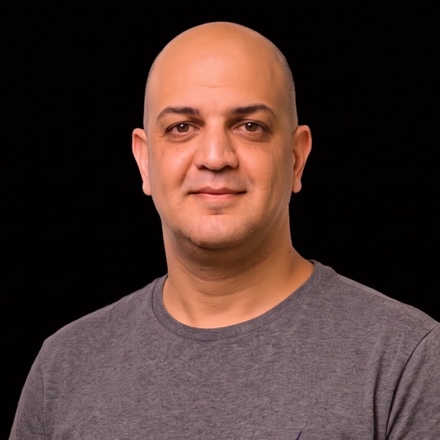
Amir Habib
Founder, CTO and technology & growth consultant
Workflows and delivery, roles and decision rights in R&D, and mentoring for technical leaders. Amir leads each engagement and owns the overall picture.
-

Noam Eshed Zvida
People & HR Consultant
The people and management side: diagnosing where roles and processes create friction, coaching managers through decisions, difficult conversations and performance, and acting as an external HR / People partner.
-

Noa Boker
Strategic Storyteller & Human Dynamics Lead
Workshops with a whole team under pressure: how people act under uncertainty, turned into tools the team keeps using.
Questions executives ask
Is this management consulting or engineering work?
It sits between them, which is the point. The recommendations are made by people who have run engineering organisations, so they survive contact with how software actually gets built rather than describing an org chart that cannot deliver.
Our people are good. Why would we need this?
Usually the people are good. Capable teams miss commitments when ownership is ambiguous, when decisions have no home, and when the work in progress is invisible until it is late. Those are properties of the system, not of the people in it.
Does this mean reorganising the team?
Sometimes, and often not. Restructuring is the most disruptive available option and rarely the first one worth trying. Clarifying who decides what, and making the work visible, changes more and costs less.
What are the workshops for?
To reach a decision the group will actually hold to. A workshop that produces a document nobody references was a waste of a day. Each one is scoped to a specific open question and ends with something written down.
Results
See how this looks in practice
Real engagements, shared anonymously. The situation, the decisions, and what changed.
Explore the resultsFind out what is actually slowing you down
Describe what is happening and we will look at whether it is a people problem, a system problem or a planning problem.